
Indoor Ambient Light
A rechargeable indoor ambient light with a soft silicone body and a printed face — four warm-white LEDs, a 180 mAh cell and USB Type-C charging.
This page shows the product, the board inside it and the production behind it. It is client work — a product we developed for a client.
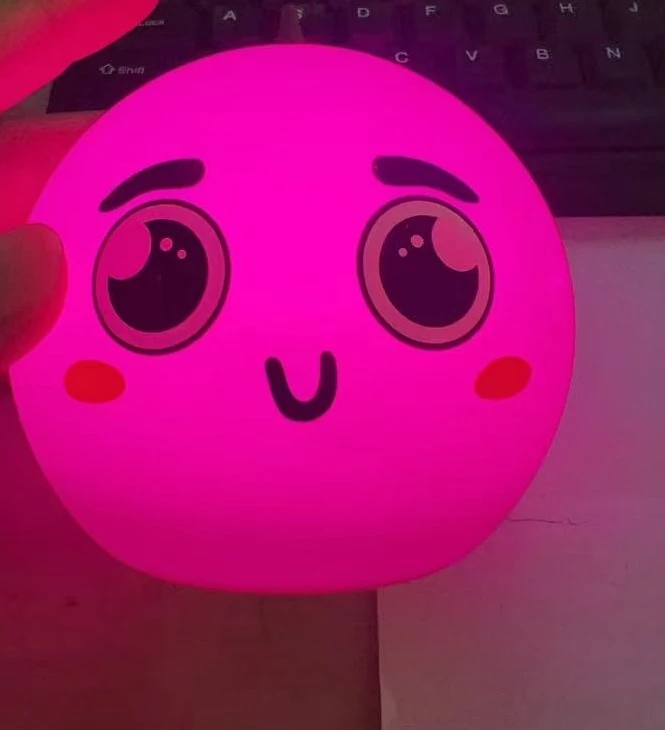
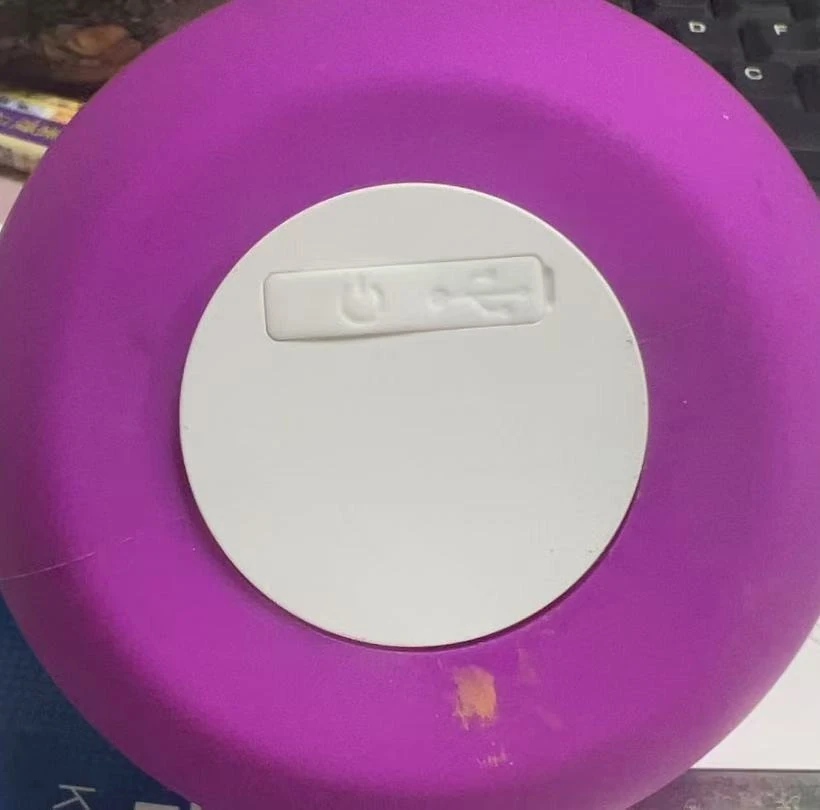
Overview
This is a small ambient light for a room, in a soft silicone body that carries a printed face. The electronics sit on a compact board in the base, under a white cover that holds the power button and the USB Type-C charging port — so the light is charged rather than opened.
The silicone body is what turns four LEDs into one even glow: the light is diffused through it rather than showing as four separate points. On the board the LEDs sit out towards the edges, so the whole body lights up rather than just the middle of it.
Specifications
| Item | Value |
|---|---|
| LEDs | 4 × 2835 warm white |
| Battery | 180 mAh lithium |
| Charging port | USB Type-C |
| Charging IC | TP4057 |
| Battery protection | 3130 |
| Inputs | Tactile power button and vibration switch |
| Status indicators | Red and green LEDs |
| Enclosure | Soft silicone body with a printed face |
Electronics design
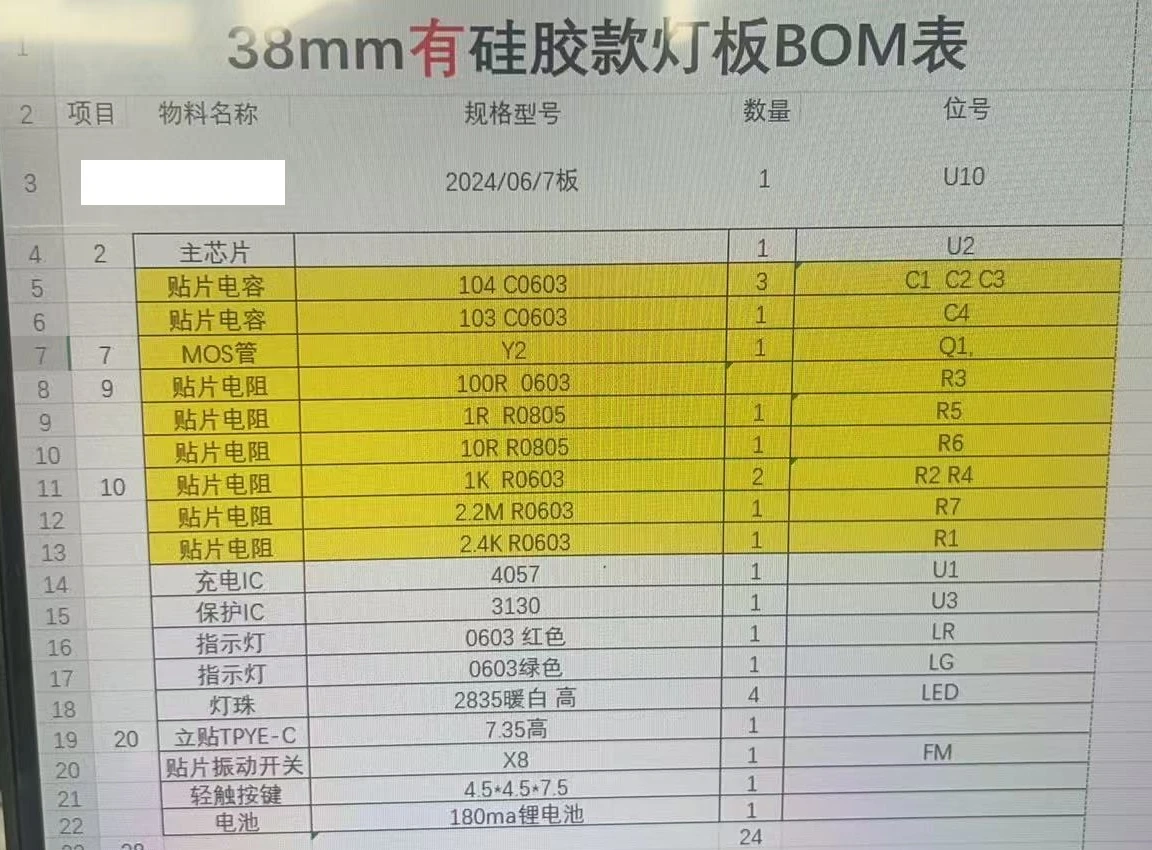
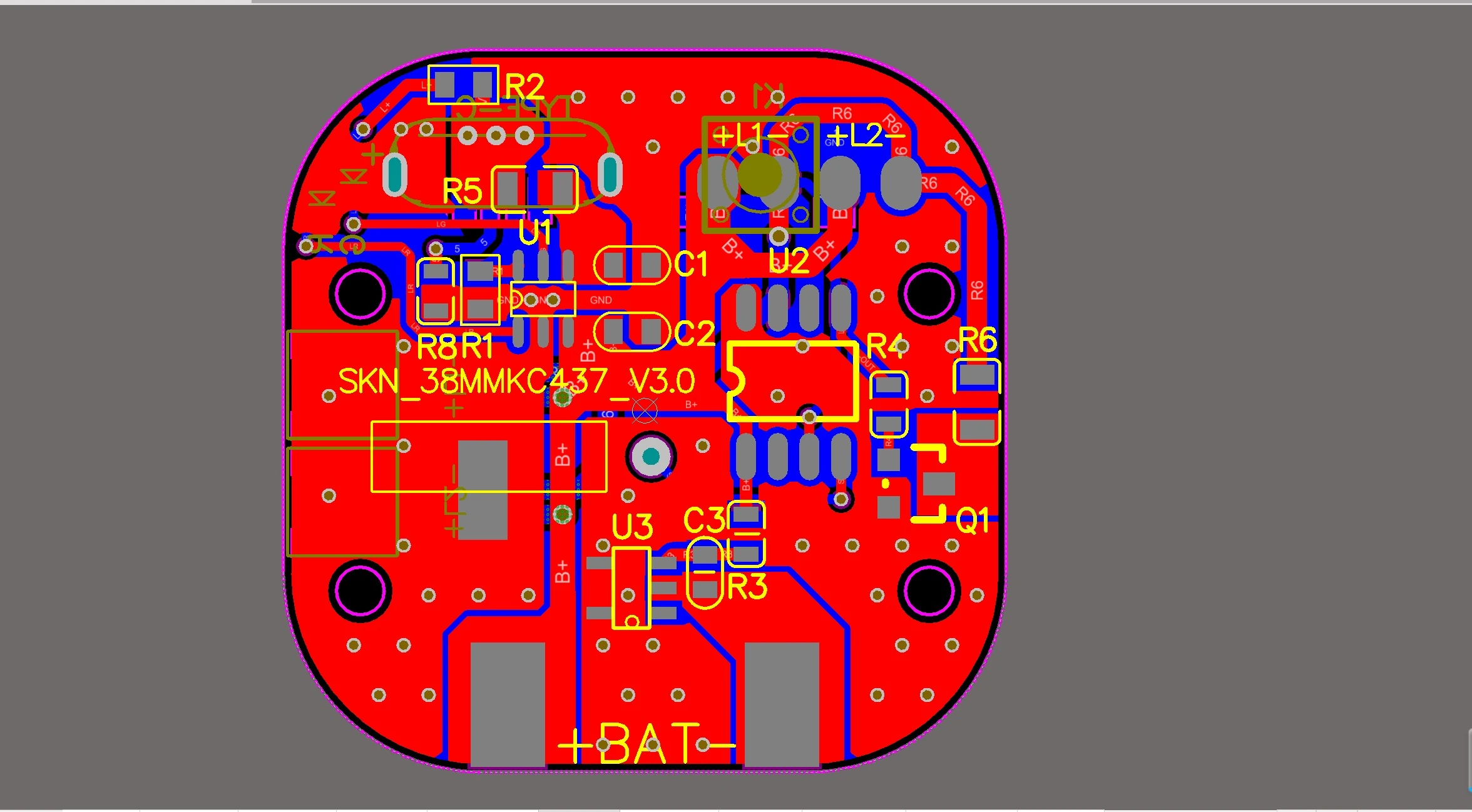
The board was designed for this product rather than adapted from an existing one. It carries four 2835 warm-white LEDs placed out towards the edges, a microcontroller, and the power side of the product: a TP4057 charging IC for the USB Type-C input, a 3130 protection IC for the cell, and a MOSFET.
A tactile button and a vibration switch are mounted on the board, alongside red and green indicator LEDs. The component list below is what the board was built from.
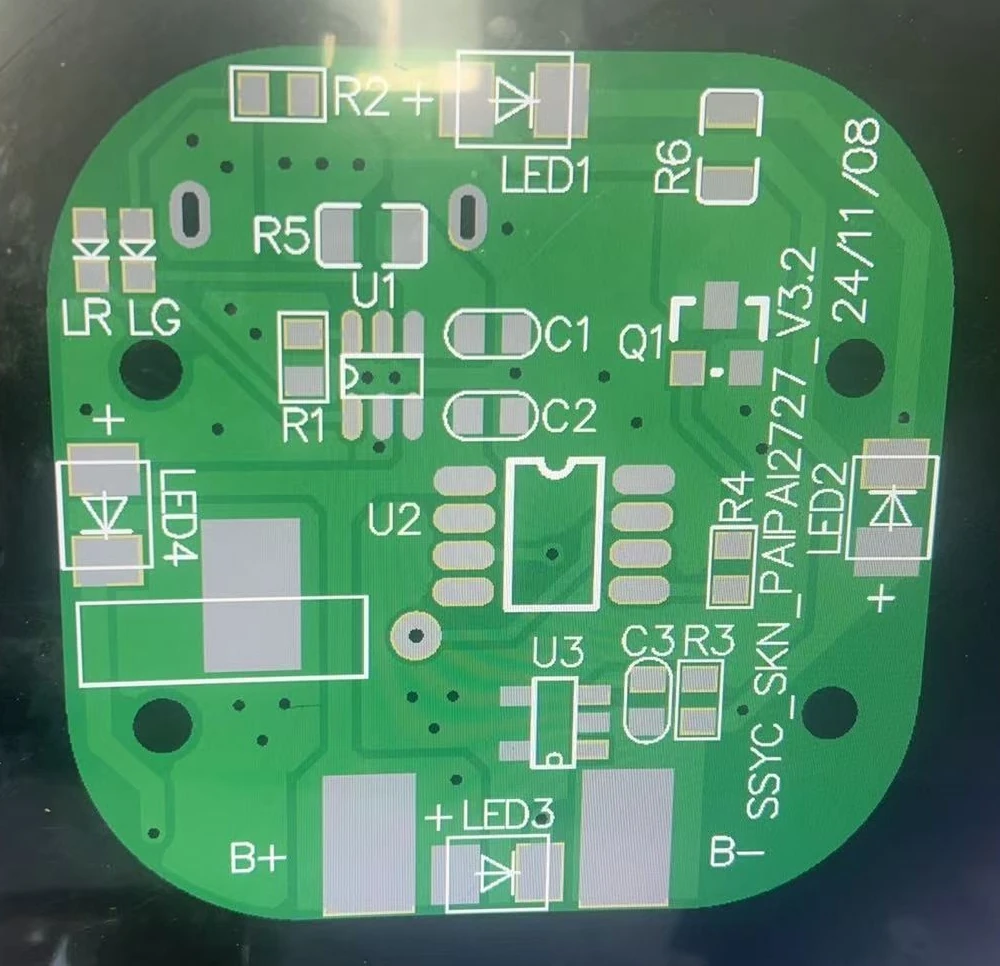
PCB layout
The layout was drawn from the design and released for fabrication and assembly. The LEDs sit out towards the board edge so the light spreads across the whole silicone body rather than pooling in the centre, and the charging and protection parts are grouped together at the power end of the board.
The view below is the board as it appears in the design file.
PCBA and production
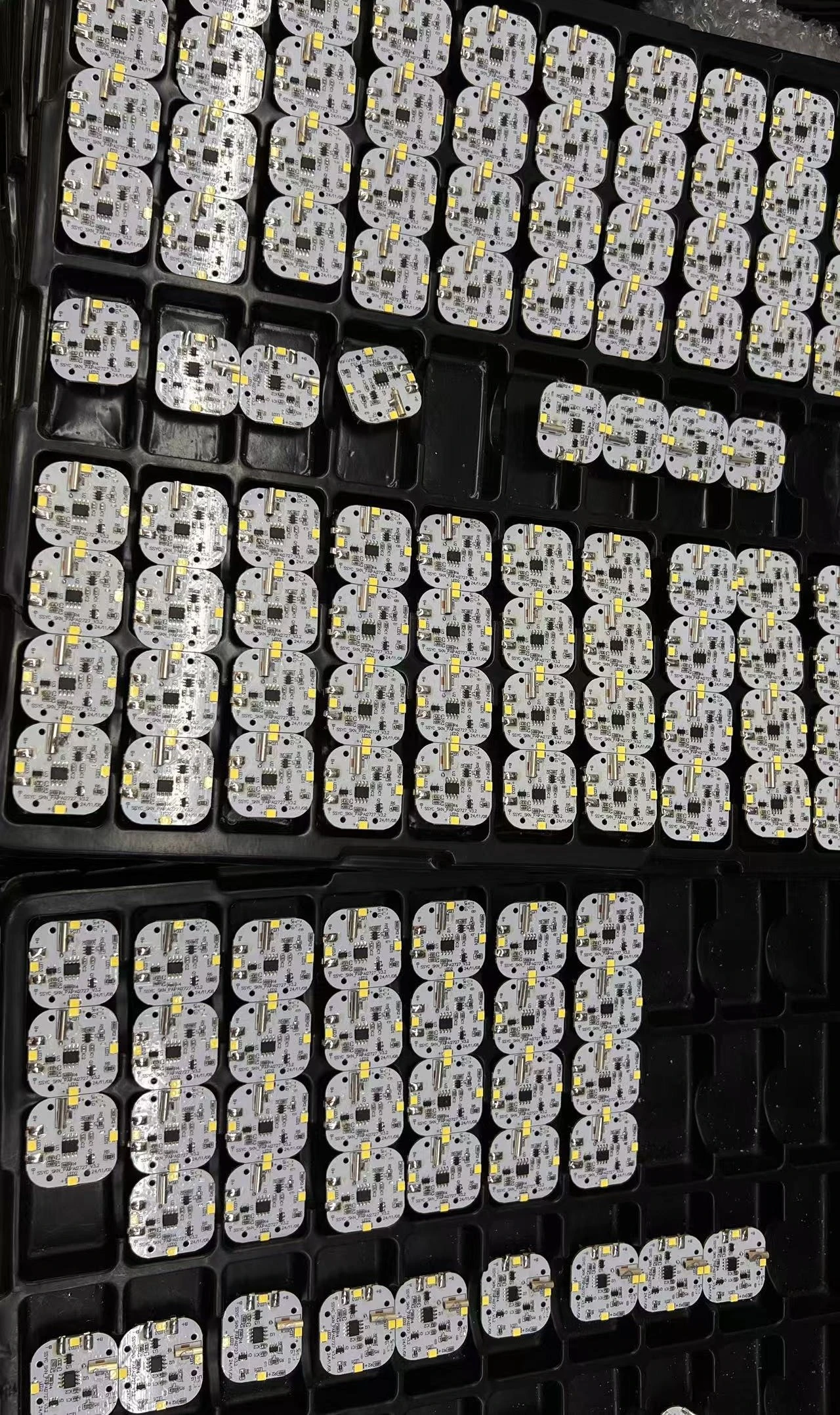
Fabrication and assembly ran through the manufacturing partner for the project, with our team driving the design and the testing. The boards came back assembled and populated, in panels and then in trays.
The rework station is where individual joints are corrected by hand. It is a normal part of the line rather than an exception to it.
Assembly
Assembly is where the parts become the product: the board, the white base that carries the button and the charging port, the silicone body, and the printed face on the front.
The video below is the bench where that happens — boards, housings and printed parts being handled and put together.
Functional testing
Boards are powered up and checked with the LEDs lit. It is the check that catches a board which looks correct but does not light.
The video below is that test at the bench.
What we developed
- Product definition — a rechargeable ambient light in a soft silicone body, taken from the requirement to a buildable specification
- Electronics design — the circuit and the component list for the board that carries the LEDs, the charging and the button
- PCB layout — the board drawn and released for fabrication and assembly
- Enclosure and assembly — the board fitted into a silicone body with a printed face, over a base carrying the button and the charging port
- Component sourcing — the components on the board purchased by us
- PCBA — fabrication and assembly through the manufacturing partner for the project, with our team driving the design and the testing
Related services
Electronics Product Development
How we take a product from a use scenario and its requirements through engineering, PCB, enclosure, assembly and testing.
See how we develop a productPCB Design
Schematic, layout and design-for-manufacturing review, handed off cleanly to assembly.
See PCB designPCBA Manufacturing
Fabrication, components, SMT and through-hole assembly, testing and QC, coordinated end to end.
See PCBA manufacturingHave an ambient or decorative light in mind?
Send your files — or just a rough idea. We'll review your project and tell you the next step.
No files ready yet? That's fine — start the conversation and we'll tell you what's needed.