
From Prototype to Production: The Engineering Problems That Appear After the First Working PCB
Getting the first prototype to work is a major milestone, but it is not the end of an electronics project.
A prototype can tolerate things that a production product cannot. An engineer can hand-solder a component, replace a part, change a wire, or spend time finding out why one board behaves differently from another.
A production line cannot work that way.
When the quantity increases, small weaknesses in the design become manufacturing problems. A difficult connector, an unavailable component, a poor test point, or a PCB that does not fit the enclosure may not matter on five prototypes. They matter when there are hundreds or thousands of units.
The transition from a working prototype to a repeatable production product is therefore an important part of electronics development.
The First Prototype Is Not the Finished Product
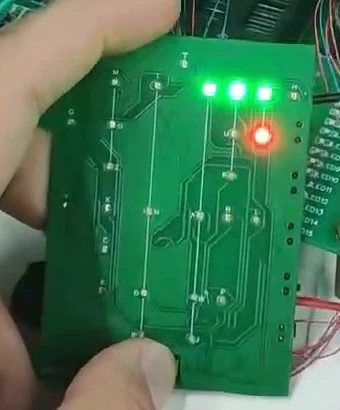
The first prototype mainly answers basic engineering questions:
- Does the circuit work?
- Does the MCU perform as expected?
- Do the sensors and interfaces work?
- Does the power supply behave correctly?
- Does the product perform its main function?
Speed is often more important than perfection at this stage.
A development module may be used instead of a fully integrated PCB. A connector may be larger than necessary. A component may be selected because it is immediately available.
That is normal.
The problem starts when the prototype is treated as the final production design.
A production design also needs to answer:
- Can the components be sourced consistently?
- Can the PCB be assembled reliably?
- Can every unit be programmed and tested?
- Does the PCB fit the actual enclosure?
- What happens if a component becomes unavailable?
- Can an operator identify a failed unit quickly?
These questions usually become much more important after the first working prototype.
Use Scenario Can Change the Design
Before the design is finalized, we also need to understand how and where the product will be used.
The same basic function may require a different design in different situations.
A desktop product may need a small footprint, accessible controls and a convenient cable position.
A bedside product may need softer operation, rechargeable power and controls that are easy to use in low light.
A handheld product may need to focus more on weight, battery life, grip and resistance to drops.
These requirements can affect the PCB size and shape, component placement, power solution, buttons, sensors, connectors, enclosure and testing.
The product should be designed around its actual use, not only around what the circuit is supposed to do.
PCB Layout Is Part of the Electrical Design
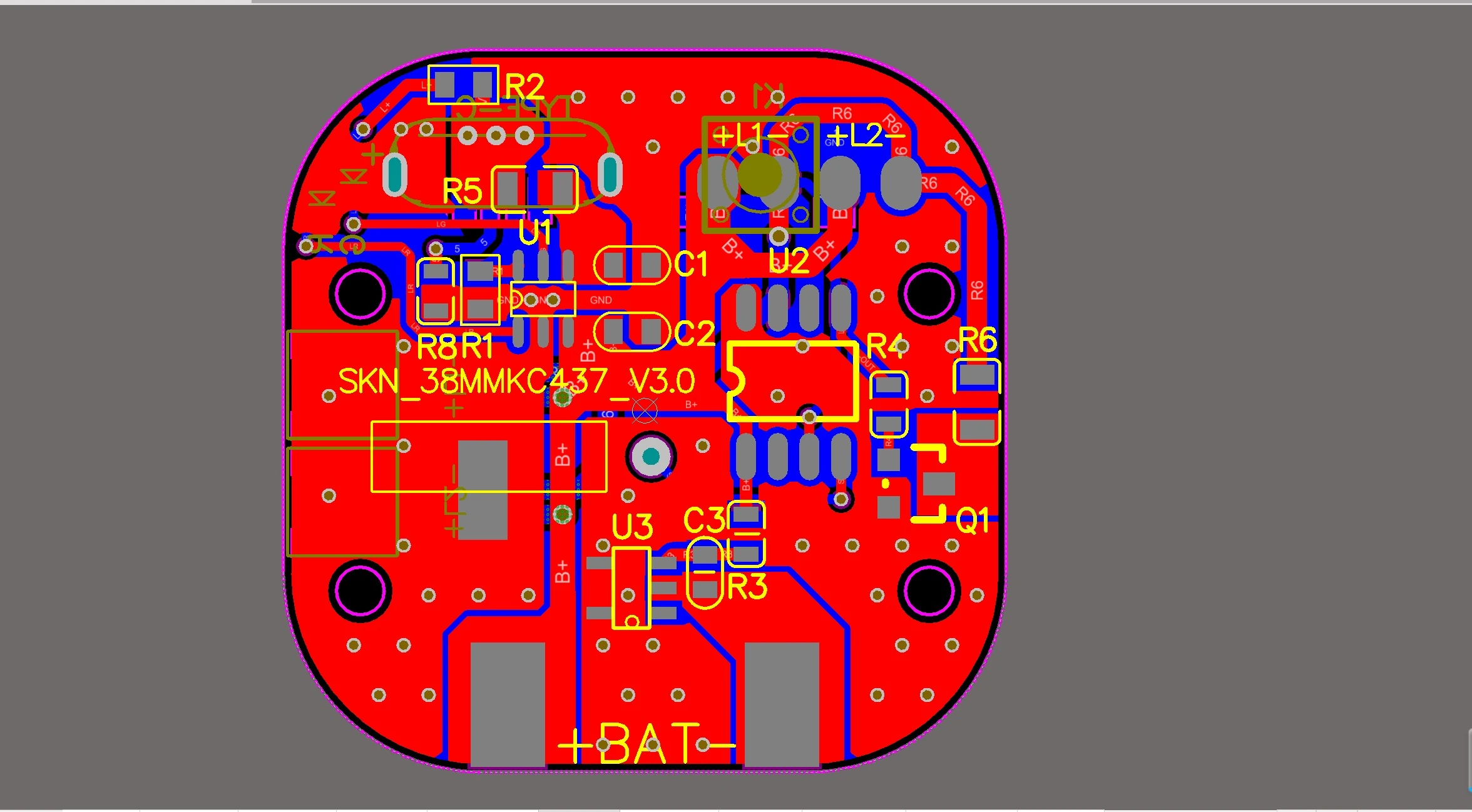
PCB layout is more than converting a schematic into a physical board.
For switching power supplies, current loops, component placement, copper areas and return paths can affect circuit performance.
Sensitive analog signals can also be affected by nearby switching nodes or other sources of noise.
For faster communication interfaces, routing, reference planes, connector placement and impedance may become important. RF products add further considerations involving the antenna, PCB, ground structure and enclosure.
A circuit can therefore work correctly in principle and still require changes when it is implemented on the final PCB.
A Working Component Is Not Always a Good Production Component
A component that works well on a prototype may not be the best choice for production.
Availability, package, operating conditions, alternatives and long-term sourcing all need to be considered.
Changing an important IC later can affect the PCB footprint, pinout, firmware, power requirements and sometimes EMC performance.
The same applies to connectors, sensors, regulators and other key components.
The BOM should therefore be reviewed as part of product development, not only as a purchasing list.
The question is not just:
“Does this part work?”
It is also:
“Does this part make sense for the product we plan to manufacture?”
The Enclosure Can Force a PCB Redesign
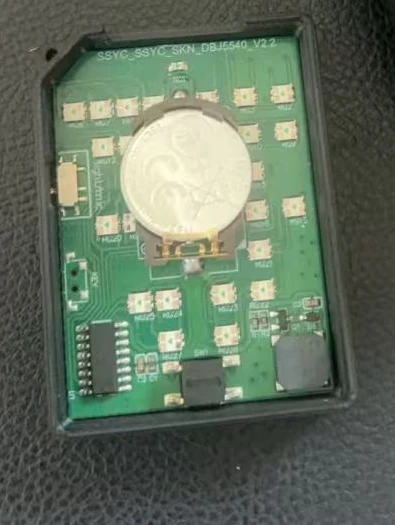
A PCB may work perfectly on the bench and still have problems when installed in the actual product.
The connector may be in the wrong position. The battery may be too large. A button may not line up with the enclosure. A component may be too tall. Mounting holes may not match the mechanical structure.
These are product-development problems, not simply PCB problems.
For compact products, electronics and mechanical design need to be considered together. The PCB has a physical relationship with the battery, buttons, LEDs, sensors, connectors, cables and enclosure.
This is why several prototype revisions may be necessary even after the basic circuit has been proven.
Testing Needs to Be Considered Before Production
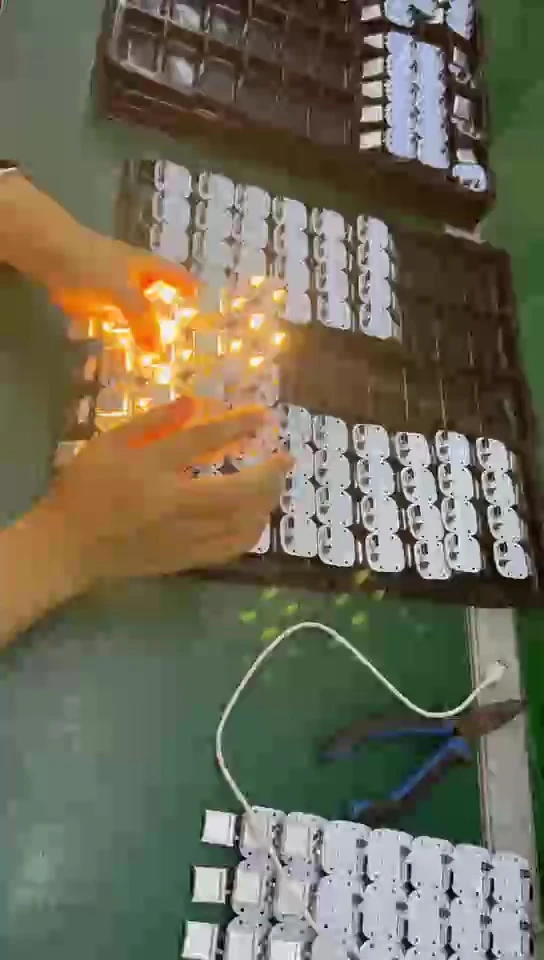
Testing is often designed too late.
An engineer can use a multimeter, oscilloscope or programmer to check a few prototypes manually. That approach becomes inefficient when every production unit needs to be tested.
Depending on the product, testing may include:
- Power consumption
- Charging
- Buttons or switches
- LEDs
- Sensors
- Communication
- Firmware
- Product-specific functions
Test points, fixtures and a simple test procedure can make production testing much more consistent.
The important part is repeatability. Different operators should be able to test different units and reach the same basic conclusion.
Production Problems Are Usually Process Problems
When one prototype fails, the question is usually:
“What is wrong with this board?”
In production, the question becomes:
“Why did this happen, and how do we prevent it from happening again?”
If one board has a soldering problem, it may simply be an assembly defect.
If the same problem appears on multiple units, the process needs to be examined.
Production depends on repeatability. The correct result should not depend entirely on one experienced technician finding problems that others might miss.
Small-Batch Production Finds Problems Prototypes Cannot
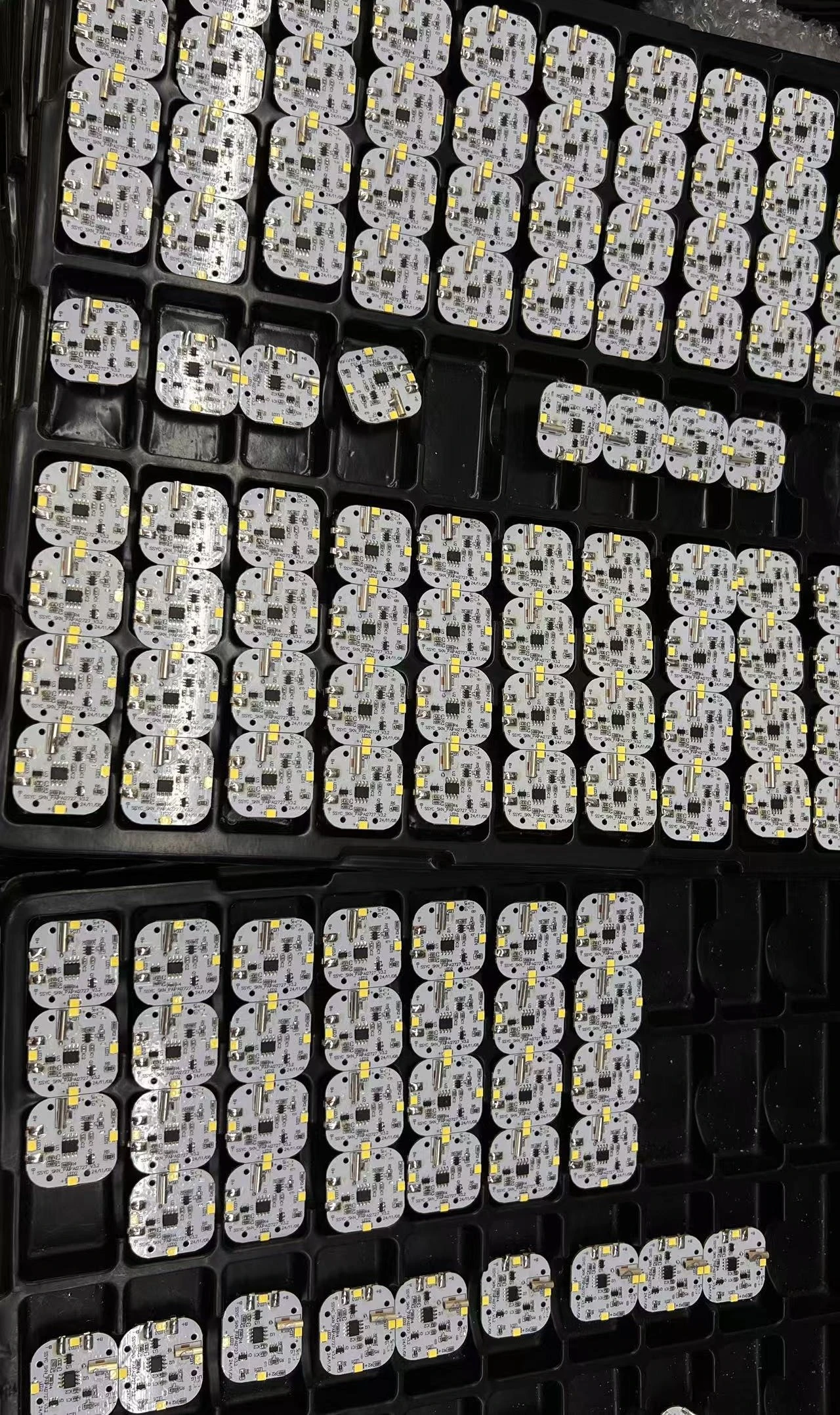
A small production run can reveal problems that are difficult to see during prototype development.
The prototype proves that the design works.
The small batch starts proving that the process works.
It can show whether:
- PCB assembly is consistent
- Components are supplied correctly
- The enclosure fits every unit
- Cables and connectors are practical to assemble
- Programming can be repeated reliably
- Functional testing is efficient
- Final inspection can identify defects
- Packaging works for the finished product
Finding these problems early is much easier than finding them after a large production run has started.
Production Files Must Match
As a project moves toward manufacturing, revision control becomes increasingly important.
The production package may include the schematic, PCB files, Gerbers, BOM, assembly information, firmware, mechanical drawings and test procedures.
These files must describe the same product revision.
For example, if the PCB has been updated but the BOM still contains an old component, both files may look correct on their own while describing different versions of the product.
Before production, the complete engineering package should be checked as one system.
From Prototype to Production
Electronics development is rarely just:
Idea → PCB → Mass Production
A more practical process is:
Customer Idea → Use Scenario → Requirements Definition → Solution Definition → Electronics / Product Development → PCB Design → Prototype / Sample → Functional Testing & Validation → Sample Approval → Small-Batch Production → Mass Production → Final Testing / Aging → Acceptance → Packaging → Delivery
Not every product needs the same number of revisions or the same level of testing.
The goal is simple: remove uncertainty before the next stage becomes more expensive.
Final Thoughts
A working prototype proves that the basic design can work.
Production requires more.
The electronics, PCB, components, mechanical structure, assembly, testing and documentation all need to work together as one product.
This is why the transition from prototype to production should be treated as part of product development, not as something that starts after engineering is finished.
The goal is not simply to build one prototype that works. It is to build a product that can be manufactured consistently, tested reliably and produced again and again.
Ready to start your electronics project?
Send your files — or just a rough idea. We'll review your project and tell you the next step.
No files ready yet? That's fine — start the conversation and we'll tell you what's needed.