
Production Readiness Review Before Manufacturing
Many electronics projects do not start from a blank page. The design already exists — a schematic, a set of Gerber files, a BOM, a prototype that works — and the next problem is getting that design into production.
That is a different problem from designing a product, and it needs a different kind of review. The question is no longer whether the design can work. It is whether it can be built the same way every time, with components that can be sourced, a board that can be assembled, and a test that catches a bad unit before a customer does.
A production readiness review is that step. It happens before the first production order, and its purpose is to find the problems that are cheap to fix now and expensive to fix later.
This article is written for teams that already have a design — the part of the process between a finished PCB design and a running production.
Before Production Starts, Review the Design Files
The first thing a production review does is not work out a price. It is finding out what files exist, what state they are in, and whether they are complete enough to build from.
A design can be finished and still not be buildable. Three things usually decide that:
- Gerber files — do they describe the board that will actually be made?
- BOM — does every line have a part that can be sourced, in the package the board expects?
- Revision consistency — do the Gerber files, the BOM and the assembly files describe the same version of the product?
This is not a redesign, and it is not a second opinion on the circuit. Its purpose is to find manufacturing risks while they are still questions on paper rather than problems in a production run. That review is part of electronics product development, not a step that happens after it.
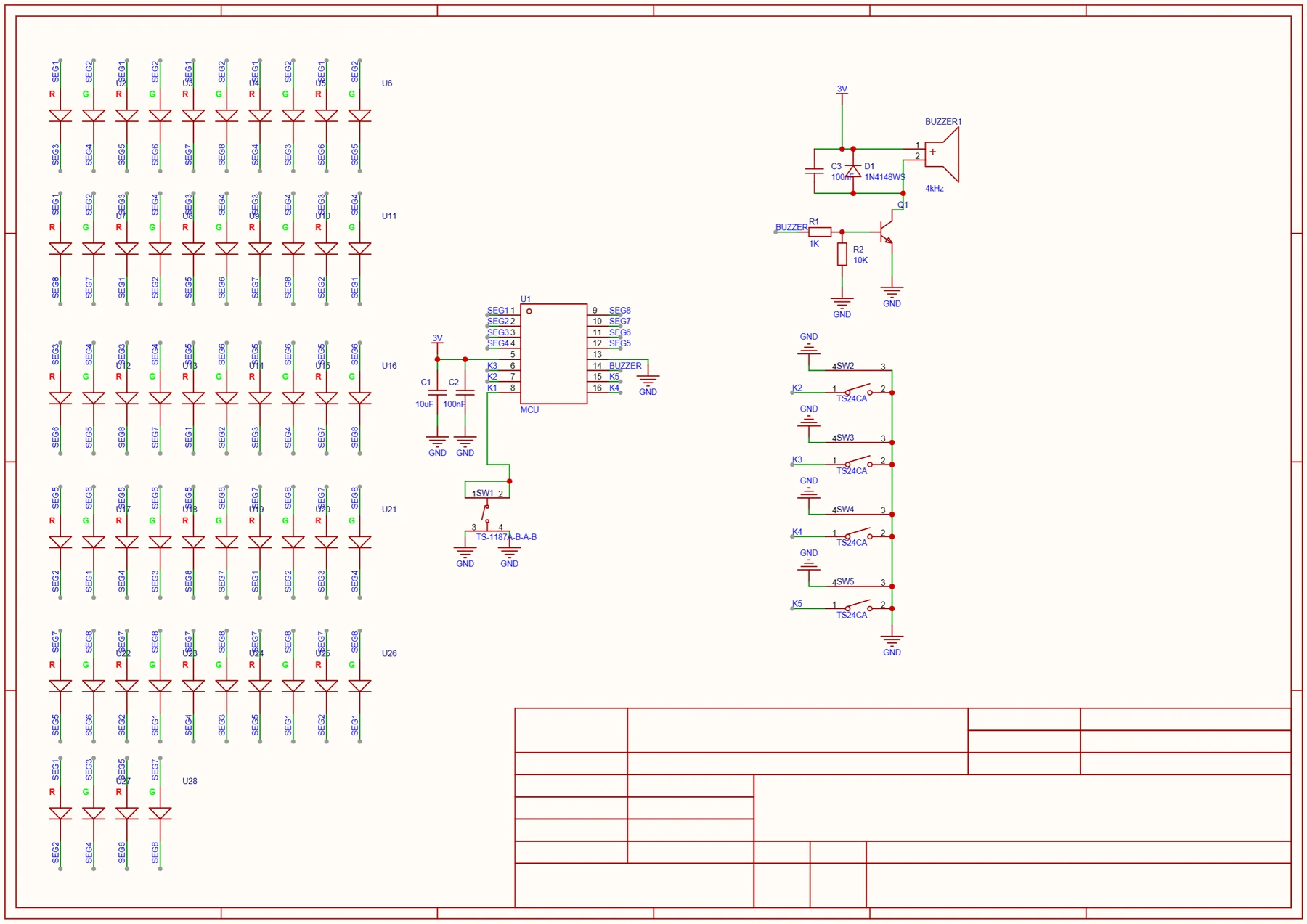
Most of what a review turns up is small. A component that is no longer available. A connector that will not line up with the enclosure. A PCB revision that is one version behind the schematic. None of these look serious on a desk. All of them are serious after several hundred boards have been assembled.
Documentation Must Match the Actual Design
The most common problem found before production is not a bad circuit. It is documentation that no longer agrees with itself.
The Gerber files describe the board. The BOM describes what goes onto it. The assembly files describe how. All three have to describe the same revision of the same product — and during development, they often stop doing that.
Changes during development are normal:
- A component is replaced
- Resistor or capacitor values are adjusted
- A connector changes
- The layout moves
- A test point is added
Not every file is updated on the same day. A board can be fabricated from the newest Gerber files while purchasing follows an older BOM, and each file still looks correct on its own.
Before production, four things need to be confirmed as one set: the PCB revision, the BOM revision, the part numbers and package types, and the assembly requirements. When they agree, production runs on one set of facts. When they do not, the mismatch usually surfaces at the worst possible moment — during assembly, on real boards.
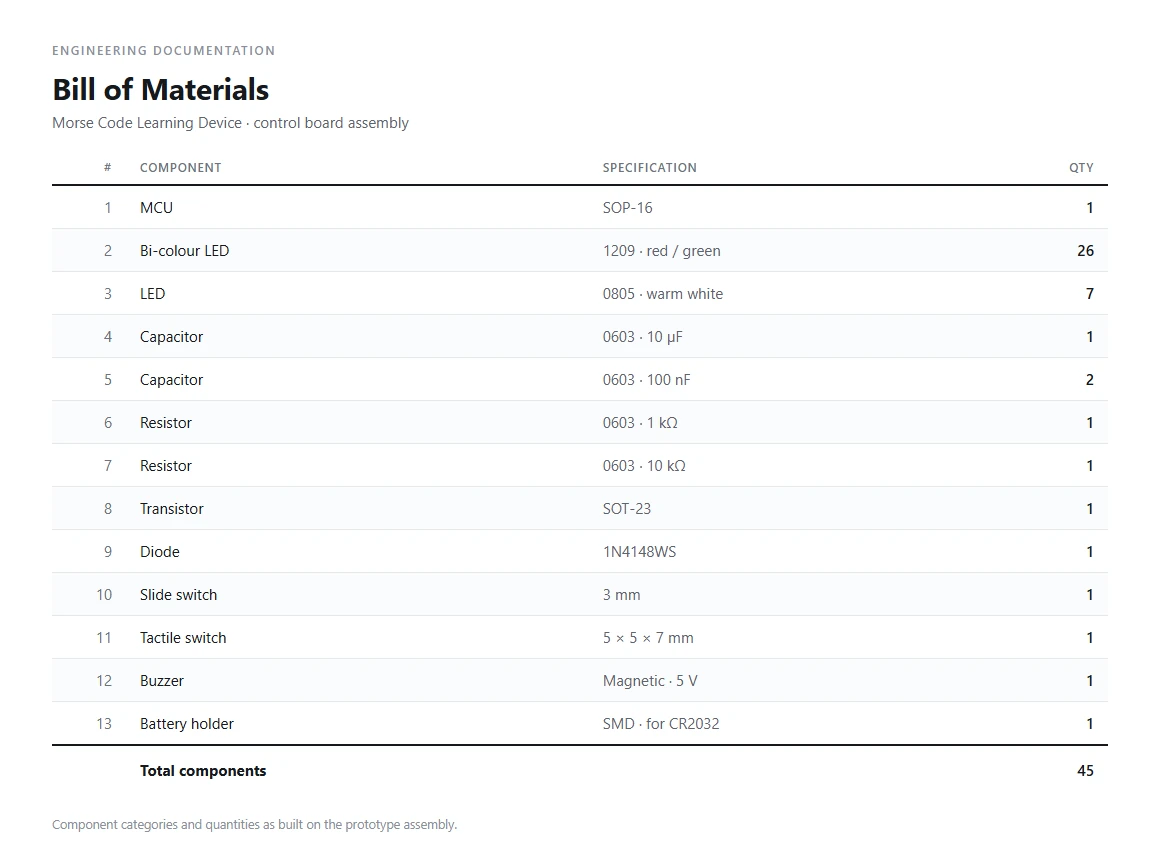
This is the same class of problem described in From Prototype to Production, where mismatched production files are one of the reasons a working prototype is not yet a production design.
Preparing Components and Production Information
An existing design also has to arrive as a project, not only as files. What is needed at this stage is usually:
- The current design files, at one agreed revision
- The production information that goes with them — quantity, target schedule, and any special requirements
- Anything the product has to do that the files do not say
It is worth being clear about which parts of the work sit on which side, because they are not the same side of the project.
PCB fabrication, PCBA, component sourcing and the manufacturing-line testing that goes with them run through the established manufacturing partners we work with in China. Requirements review, engineering communication, functional and final testing, aging, quality check, final assembly, packaging and delivery are handled by our own team.
That split is not a formality. It decides who you talk to about what, and it is the reason a project can move without you managing a board house, a parts supplier and an assembly house separately.
Not every project needs the same scope. Some arrive with a closed design and need PCBA production only. Others arrive earlier and need the product carried through the enclosure, the testing and the packaging as well. The scope is worth fixing before production starts, not while it is running.
PCBA Is One Step, Not the Whole Product
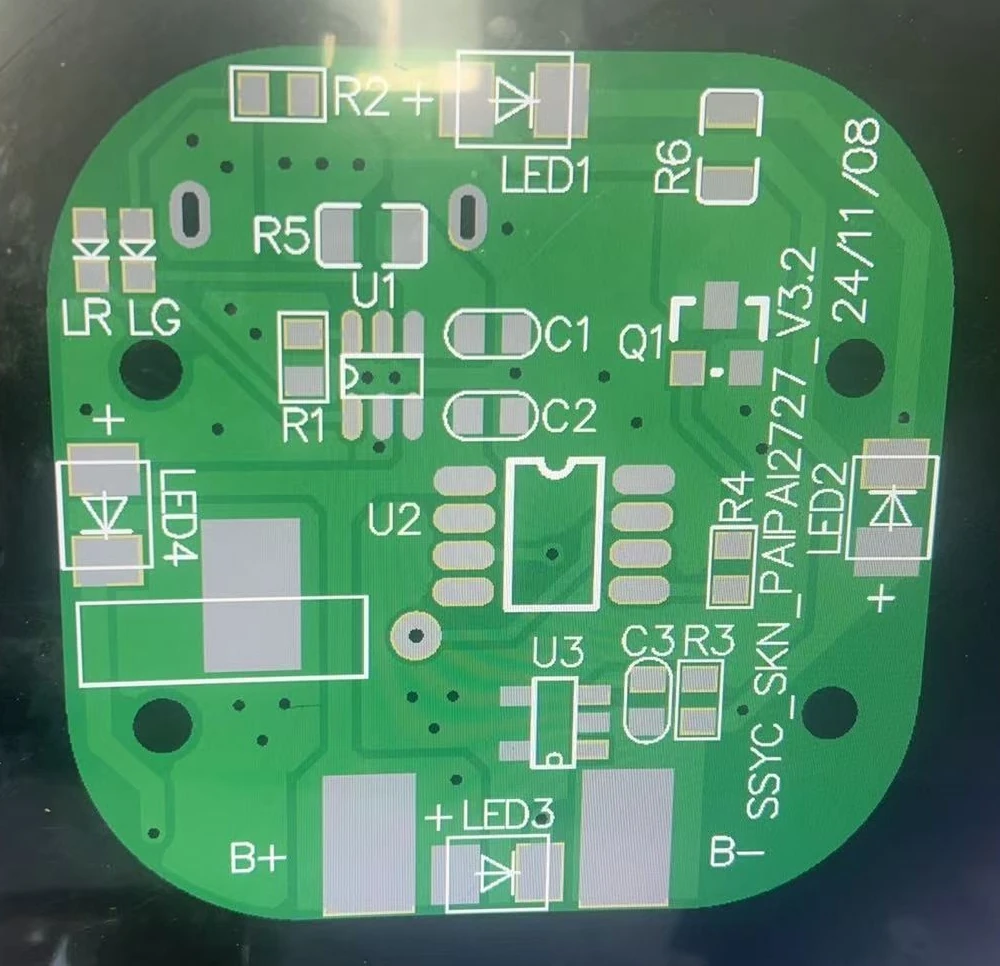
PCB, PCBA and the finished product are often treated as one thing. They are different stages, and a project can be complete at one and not at the next.
- PCB fabrication — the bare circuit board is produced
- PCBA — components are assembled onto the board
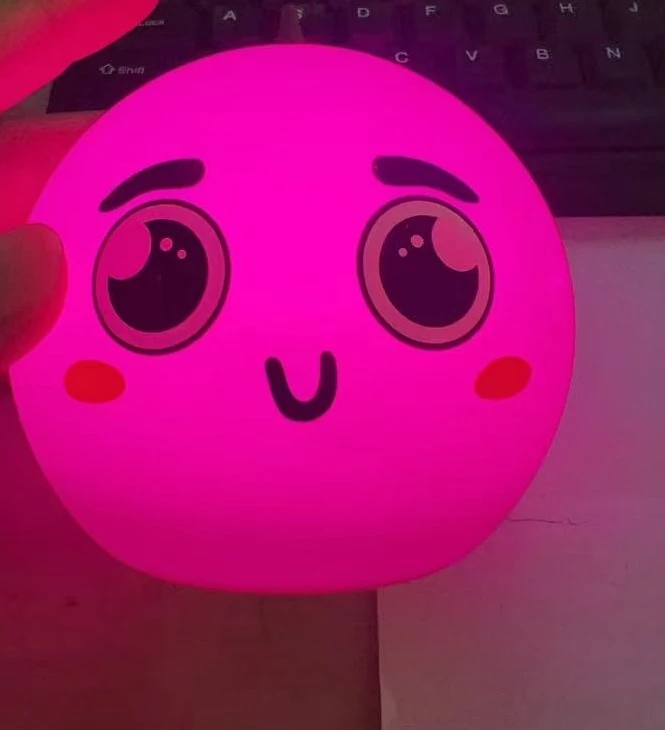
- The finished product — the board goes into an enclosure, is programmed if the product needs it, is tested as a product, and is packed for delivery
A board can pass its electrical test and still fail at the product stage. The connector sits in the wrong place for the enclosure. A component is too tall for the space above it. A cable cannot be routed without pinching. A button does not line up with the housing.
None of these are board faults. They are product problems, and they are found fastest when the electronics and the mechanical design are reviewed together. That is why production preparation has to consider the complete product, not only the assembled board.
Where Existing Designs Fit Into the Development Process
A production readiness review is not a separate discipline that sits outside the project. It is one point on a longer chain:
Customer Idea → Use Scenario → Requirements Definition → Solution Definition → Electronics / Product Development → PCB Design → Prototype / Sample → Functional Testing & Validation → Sample Approval → Small-Batch Production → Mass Production → Final Testing / Aging → Acceptance → Packaging → Delivery
Projects that arrive with an existing design are a normal part of custom electronics development. They simply enter the chain at a later point than a project that starts from an idea. The use scenario and the solution already exist, and so do the PCB design and, in most cases, a prototype or a sample. What is still open is the part from sample approval through to delivery.
That is where a readiness review works. It does not go back and redo the front of the chain. It makes sure the back of the chain has what it needs: files that agree, components that can be sourced, a board that assembles, a product that can be tested, and one revision that everyone is working from.
Most projects that reach this point are looking for manufacturing in China, because the components, the board fabrication and the assembly for this kind of product are already there. We also run OEM and ODM projects — in that work you bring either a design or a requirement, and the product is built to it and ships under your brand.
A design that works is the starting point, not the finish line. What makes the difference between a prototype and a product is everything that happens between the two — and most of it is cheaper to do before the first production order than after it.
Ready to start your electronics project?
Send your files — or just a rough idea. We'll review your project and tell you the next step.
No files ready yet? That's fine — start the conversation and we'll tell you what's needed.